Why Retaining Walls Fail in Blue Ridge and How They’re Fixed
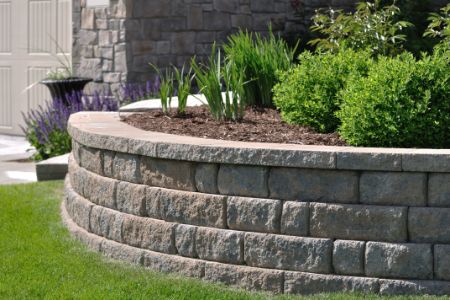
Retaining walls do a tough job in Blue Ridge. Our steep mountain lots, heavy seasonal rains, and clay-rich soils push hard on every block, boulder, or timber. When design or installation falls short, failure starts slowly, then speeds up. If you’re seeing movement, talk to a local team that handles retaining wall installation in our terrain before the problem gets worse.
Top Reasons Retaining Walls Fail in Blue Ridge
Hydrostatic pressure is the hidden force behind most problems here. Water collects behind the wall, saturates the soil, and adds weight the structure was never designed to hold. Hydrostatic pressure is the number one enemy of retaining walls in Blue Ridge.
- Poor drainage: missing or clogged drain tile, no gravel backfill, or no way for water to escape.
- Insufficient reinforcement: short geogrid lengths, missing tie-backs, or undersized footings on sloped sites.
- Wrong backfill: heavy, fine clay packed against the wall instead of free-draining aggregate.
- Improper step-up on slopes: walls built straight across a hill without proper terracing or benching.
- Material mismatch: untreated timbers rotting over time or lightweight blocks used for tall walls.
- Freeze-thaw cycles: water expands in joints and behind the wall during cold snaps, widening cracks.
Local conditions amplify these issues. Areas near Blue Ridge Lake, Aska Road, Cherry Log, and Mineral Bluff often combine steep grades with fast runoff. When storms hit and soils saturate, weak details show up fast.
Early Warning Signs You Shouldn’t Ignore
Small red flags can predict big repairs if left alone. Keep an eye out for these clues after heavy rain or snowmelt.
- Leaning, bowing, or bulging sections that look worse month to month.
- Cracks that widen or stair-step along block joints.
- Soil sinking behind the wall or gaps opening under capstones.
- Weep holes that never drain or stain marks showing water lines.
- Tilted fence posts, wavy railings, or patio pavers separating near the wall.
Don’t wait if movement accelerates after storms. Water pressure builds quickly here, and walls can shift in a single season when conditions line up.
What Makes Blue Ridge Soil and Weather Tricky
North Georgia’s clay-rich soils hold water like a sponge. That’s tough on walls built close to the Toccoa River, around Blue Ridge Lake, or on steep driveways in Morganton and Mineral Bluff. Add days of soaking rain, and the backfill becomes heavier and more active.
Steep lots are another factor. A wall that looks modest from the road can be holding back a high bank cut for a cabin, driveway, or patio. If the design didn’t account for surcharge loads from parked vehicles, stacked firewood, or a hot tub near the edge, stress rises dramatically.
Safety note: If a wall is leaning, cracking loudly, or shedding stones, keep kids and pets away. Sudden movement can occur without warning when soils are saturated.
How Pros Diagnose the Root Cause
Good repairs start with a careful site assessment. Pros review wall height, thickness, and materials, then look behind the face where the real story lives. They check for working drain tile, gravel backfill, weep hole function, and signs of clogged fabric or sediment buildup.
Expect a close look at slope, surface runoff patterns, and nearby downspouts. If the wall sits below a hillside trail, driveway, or roof valley, water may be concentrated behind one section. Technicians may probe the backfill, measure lean, and map any bulge to target reinforcement.
If the wall ties into stairs or a patio, movement there gives clues. Shifting treads, popped joints, or tilted handrails often line up with a wet, overloaded area of the wall.
Want to dig deeper into masonry and hardscape topics? Browse our stone work articles for education you can trust.
For integrated solutions that cover structure, finishes, and site runoff, lean on a full-service team in stone work & painting. Coordinating the wall, adjacent surfaces, and drainage in one plan is what keeps repairs from becoming repeat projects.
Fixes that Actually Work Here
Relieve Water Pressure With Real Drainage
The first step in most Blue Ridge repairs is getting water out of the backfill and away from the wall. That typically means opening the backside, adding free-draining aggregate, installing perforated drain tile, and directing water to daylight or a safe discharge point. Filter fabric helps keep fines out of the gravel so the system keeps working through storm seasons.
Rebuild Sections With Proper Reinforcement
If the wall is leaning or bulging, localized rebuilds may be needed. Crews reset base courses on compacted stone, terrace tall runs into stepped walls, and add geogrid reinforcement at the right elevations and lengths. Cap stones get reset after alignment checks, so the face locks up tight.
Upgrade Materials on Aging Walls
Rotting timbers or undersized block units rarely recover. Replacing those sections with engineered block or natural stone can boost capacity while matching the cabin style common around Aska and Cherry Log. When style matters, natural stone faces over reinforced cores give you both performance and curb appeal.
Control Surface Water at the Source
Redirecting downspouts, adding swales or catch basins, and regrading the topsoil keep clean water from ever reaching the wall. That’s especially important up-slope of driveways and patios where concentrated runoff hammers one spot over and over.
If your wall is showing early symptoms but isn’t failing yet, a preventative plan can extend its life. Strategic drainage upgrades and minor realignment can now avoid larger reconstruction later. This is where a quick site visit from a team that handles retaining walls in our mountain soils is worth it.
Build It Right From Day One
Durable walls in Blue Ridge are more than stacked blocks. They’re systems designed around real site forces. Here are principles that consistently deliver long service life in our area.
Base and Backfill Matter: A compacted, level base supports the face. Free-draining gravel behind the wall and a protected drain line let water escape before it adds pressure.
Reinforcement on Schedule: Taller walls need geogrid installed in specific layers and lengths. In curves or corners, overlap and alignment are critical so forces transfer properly into the soil.
Step and Terrace for Height: Instead of one tall wall, multiple shorter terraces handle loads better and blend into steep lots. Gentle grade transitions reduce erosion and look natural around cabins and trails.
Respect Surcharge Loads: Parking pads, hot tubs, stacked stone fire features, and woodpiles near the edge act like extra soil. Design for those loads up front, not after cracks appear.
When to Repair Versus Rebuild
Hairline cracks or a few settled caps don’t always demand major work. Targeted drainage improvements and minor resets can stabilize small issues when the wall is otherwise sound. Monitoring after big storms helps confirm you’ve taken enough pressure off.
On the other hand, a wall that’s leaning, bowing, or breaking joints across a long span usually needs a larger intervention. In those cases, opening the back, rebuilding base courses, reinforcing, or replacing sections is the safer, longer-lasting path. The goal isn’t just to make it look straight today but to create a structure that stays that way through repeated rain cycles.
Think about what the wall protects, too. If it holds a driveway edge along a slope in Mineral Bluff, the risks are higher than for a low garden wall. Where people and vehicles use the space daily, stronger repairs are well worth the peace of mind.
Why Local Experience Matters
Blue Ridge sites vary a lot within a short drive. One cabin off Aska may sit on shallow bedrock with fast runoff. Another yard near Blue Ridge Lake may have deep clay that stays soggy for days. The right repair reflects those realities, not a one-size-fits-all checklist.
Local crews know how to keep drain outlets from freezing, how to protect lines from silting up, and where to daylight water safely on a mountainside lot. They also understand the look homeowners want around timber cabins and stone fireplaces, so the fix blends with the property instead of standing out.
If you’re comparing options, focus on teams that assess water first, then structure. The best repairs solve the pressure problem and rebuild only where needed, saving material where the wall is still strong.
Your Next Steps
When a retaining wall starts to move, time is not your friend. Quick action keeps a manageable repair from turning into a larger rebuild, especially with our storm patterns and clay soils.
Ready for a professional assessment and a long-lasting fix? Schedule your visit with Orduna Stone Work and Painting at 706-889-1148 and get a plan built for real Blue Ridge conditions. If you want it done right the first time, book expert retaining wall installation that looks great and holds strong season after season.